


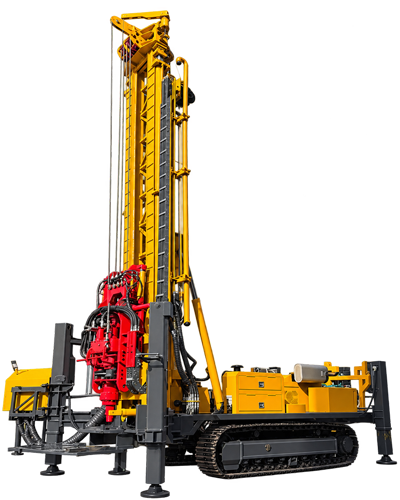
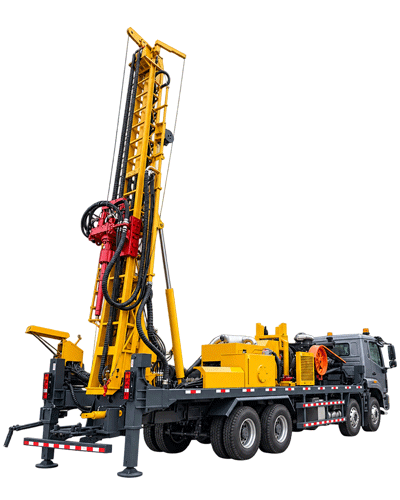
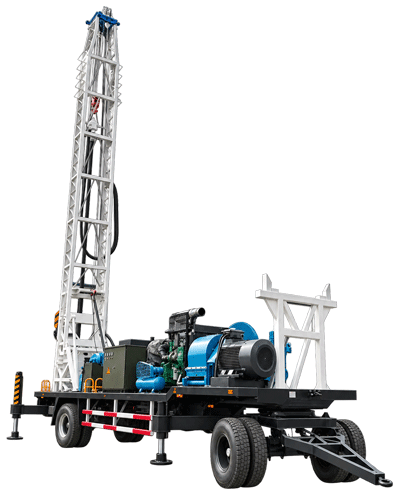
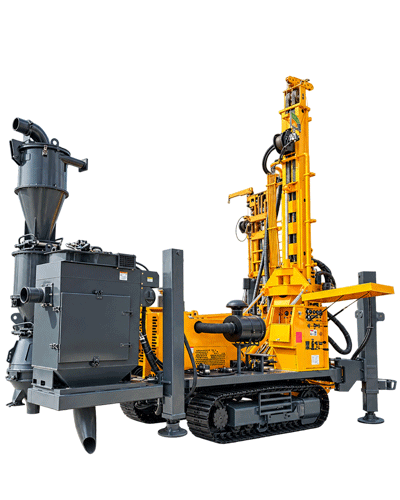
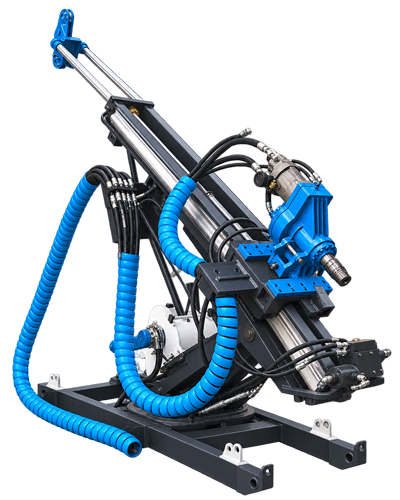
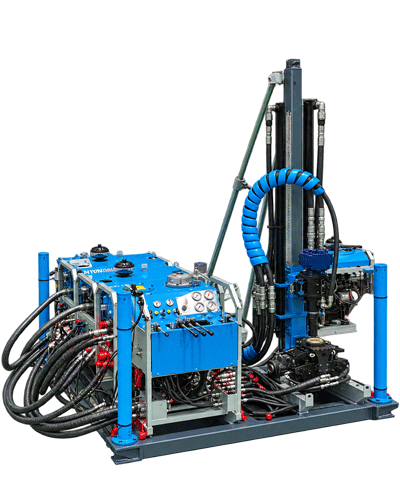
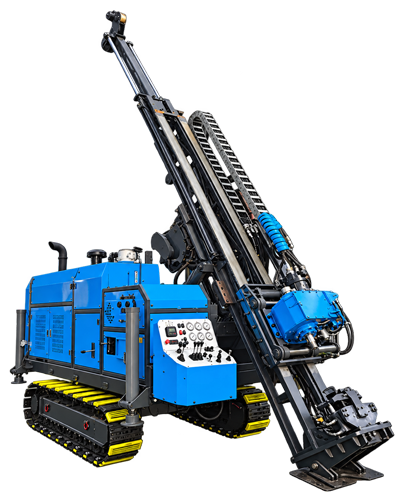
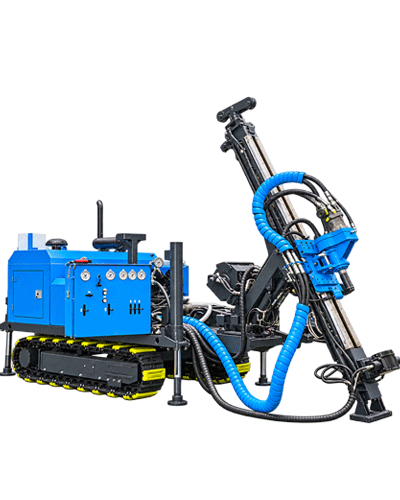
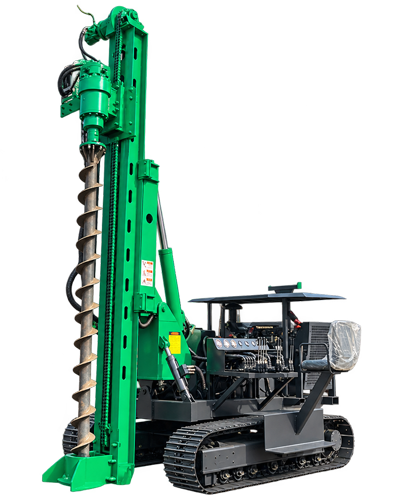
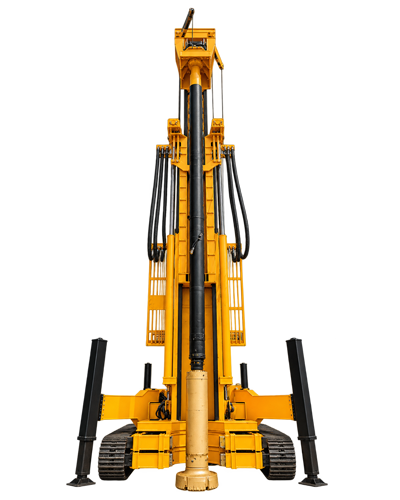
In an exploration project, reverse circulation is often performed first, and then a decision is made whether to add coring holes. The basis for this judgment is usually not "switch once the designed depth is reached," but whether the information provided by cuttings samples is sufficient to support the next-stage design. Cuttings samples are returned by advance, and can reflect changes in lithology, alteration, and mineralization with depth, but they are not continuous complete cores. Sequence boundaries, structural relationships, and the internal structure of thick and large ore bodies are often difficult to read directly from them. The handover judgment must resolve which hole sections require additional coring and what conditions must be verified before supplementing coring.
What cuttings samples can and cannot answer
The sample form of reverse circulation drilling is cuttings returned by depth interval. The RC400 information states this point as follows: compared with core drilling rigs, it mainly obtains cuttings samples returned by depth, rather than continuous complete cores. This difference determines the starting point of the handover judgment.
In terms of information use, cuttings samples are suitable for recording color, lithology, alteration, and mineralization changes at fixed advance intervals, and for sending to laboratories for grade analysis. For large-scale anomaly verification, ore body boundary control, and peripheral expansion, the value of such samples lies in establishing more drilling control points at a faster rate. Conversely, when it is necessary to clearly see stratigraphic contact relationships, mineralization host positions, and the width of structural fracture zones, the information content of cuttings samples is insufficient to replace coring.
The information also indicates that fractured zones and formations with developed fissures are prone to block falling and local hole enlargement. Cuttings may remain in the hole and then return in concentrated batches, causing poorer correspondence between samples and depths. If the cuttings records of such hole sections show sudden changes in return volume or mixed lithology, the stratigraphic boundaries inferred from samples in that section cannot be directly trusted during handover.
Hole depth and hole direction information to verify before handover
Whether to supplement coring and at which depth intervals to supplement it requires first confirming the actual final hole status of the previous reverse circulation holes. The RC400 has a maximum drilling depth of 400 m, a hole diameter of 105–305 mm, and working angles of 45° and 90°. These values indicate that it can handle medium-depth, multi-angle hole placement tasks, but actual drilling depth is affected by hole diameter, drill rods, air compressor capacity, formation conditions, hole deviation, and drilling tool wear. The information clearly states that 400 m should be understood as reference capability under typical configuration.
At handover, at least the following items should be confirmed:
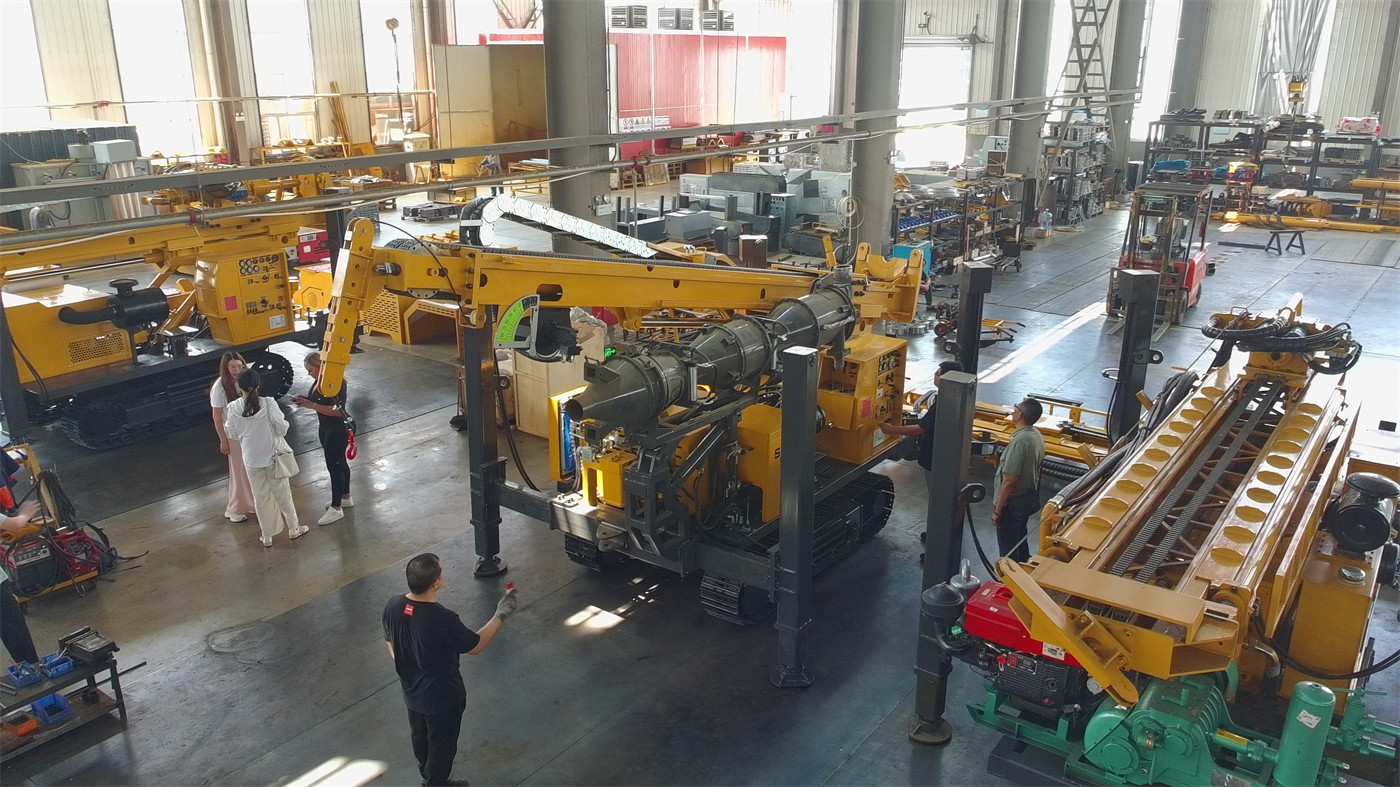
- The measured final depth and collar angle of each reverse circulation hole, and whether they are consistent with the geological design;
- Whether there are missing intervals, mixed intervals, or abnormal sample returns in the sample records, and which depths they correspond to;
- Whether there are hole sections with deviation exceeding design expectations, affecting the positioning of subsequent coring holes;
- Which target areas are covered by inclined holes and vertical holes respectively, and whether coring holes follow the same hole direction.
The RC400 supports 45° inclined holes and 90° near-vertical holes. The information states that vertical holes are suitable for groundwater, overburden investigation, and some mineral exploration, while 45° inclined holes can be used for inclined ore bodies, structural zones, or specific target verification. This means the handover judgment is not only "at which depths to supplement coring," but also "whether to supplement along the existing inclination or to place separate vertical holes." This point needs to be confirmed by the geological design; the equipment information itself does not provide a conclusion on the trade-off.
Reverse circulation sample management conditions determine the credibility of handover data
The handover judgment depends on the sample records of the previous stage. The information on RC sample management states: samples should be numbered, weighed, and sealed according to fixed hole depth intervals, and the hole number, depth, time, and abnormal conditions should be recorded; the sampling system, cyclone, or sample splitter should also be cleaned regularly; each time sampling restarts after adding a rod, cleaning the hole, or stopping drilling, the transition section should be handled according to on-site sampling procedures to avoid mixing samples from different depths.
These requirements and equipment capability are two different levels. The RC400 provides a drilling platform; final sample quality also depends on on-site sampling procedures and personnel operation. Therefore, if during handover a batch of samples is found to lack depth numbering, the transition section was not recorded separately, or the cleaning records of the sample splitter are incomplete, the weight of that section's data in determining coring supplement positions should be reduced accordingly.
In addition, reverse circulation sampling is efficient and suitable for quickly obtaining continuous cuttings samples, but this does not mean the samples are naturally representative. This point is also clearly stated in the information: reverse circulation sampling not only requires fast drilling, but also ensures that samples are returned continuously by depth. The handover judgment should consider "return continuity records" together with "sample grade data," rather than looking only at assay results.
Air supply and supporting conditions affect the integrity of cuttings return
If the project still needs to continue construction on the same platform later, air supply conditions will directly affect the sample return quality of the reverse circulation section, and thus affect the handover data. The recommended working air pressure for the RC400 is 1.2–3.5 MPa, with air consumption of 16–55 m³/min. The information states that when hole depth increases, hole diameter increases, or rock layers are harder, if air volume is insufficient, the return speed of cuttings will decrease, possibly affecting sampling continuity and hole bottom cleanliness.
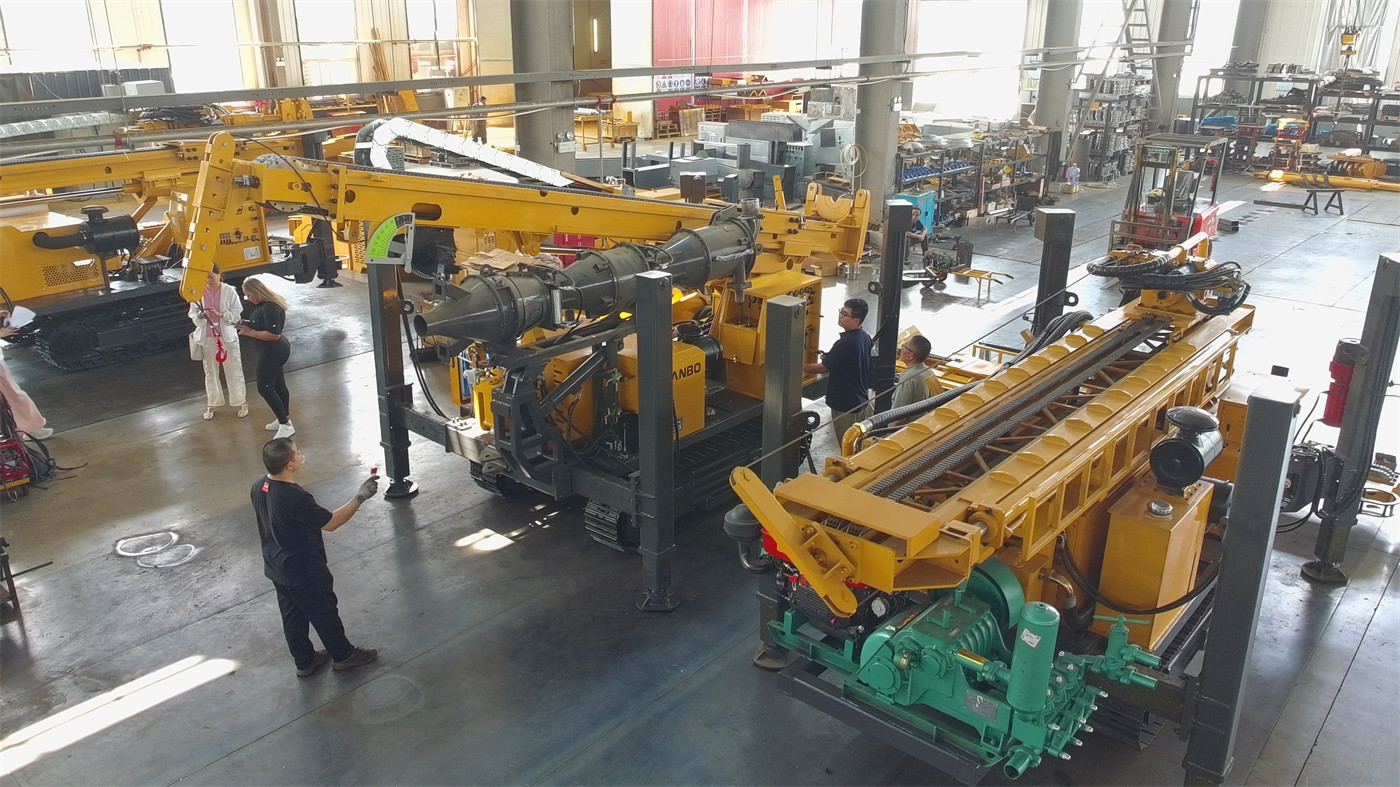
Therefore, the handover judgment also includes a supporting check: whether the actual air compressor displacement and pressure used in the previous stage covered the needs of the corresponding hole depth and diameter. If some deep hole sections were completed under relatively tight air supply conditions, the cuttings samples from these sections should be given greater uncertainty in stratigraphic judgment, and the priority order for supplementary coring should also be adjusted accordingly.
Formation changes determine the handover method, not just depth
The information provides several types of formation conditions applicable to the RC400: soil layers, clay, sand layers, and gravel layers are prone to hole collapse and may not be suitable for direct pneumatic RC drilling. This model supports mud drilling, and in upper loose formations, mud circulation and casing can be used, then the process can be switched after entering stable rock. Weathered rock, fractured rock, and relatively intact hard rock can be equipped with medium- and high-pressure down-the-hole hammers; in fault fracture zones, advance speed should be controlled, stable air supply maintained, and records kept properly.
This means the handover judgment cannot be arranged only by "supplement coring at a certain depth." The cuttings samples from upper loose overburden are themselves greatly affected by hole collapse and sample mixing. If this section is also a mineralization target layer, the necessity of supplementary coring is actually higher. After entering intact hard rock, if the lithology and grade changes of cuttings samples are already relatively clear, supplementary coring can be concentrated near stratigraphic boundaries and mineralization boundaries, without the need for continuous coring of the entire hole.
The above is a conditional analysis based on equipment information, not an actual conclusion for a specific project. Which hole sections should be prioritized for coring must be determined in combination with assay results and geological design.
The position of this equipment in handover judgment
Placing the RC400 in the process of "cuttings sampling—handover judgment—subsequent coring," it undertakes the previous stage: using 400 m-class drilling depth, 105–305 mm hole diameter, and 45°/90° hole placement capability to quickly establish cuttings control points. Its 22 T lifting force, 8000/4000 N·m dual-condition rotary torque, and 1.2–3.5 MPa working air pressure correspond to 400-meter-class drill string handling, coordination of different hole diameters and rotation speeds, and RC cuttings discharge conditions. These are supporting conditions that ensure the reverse circulation section can proceed as designed.
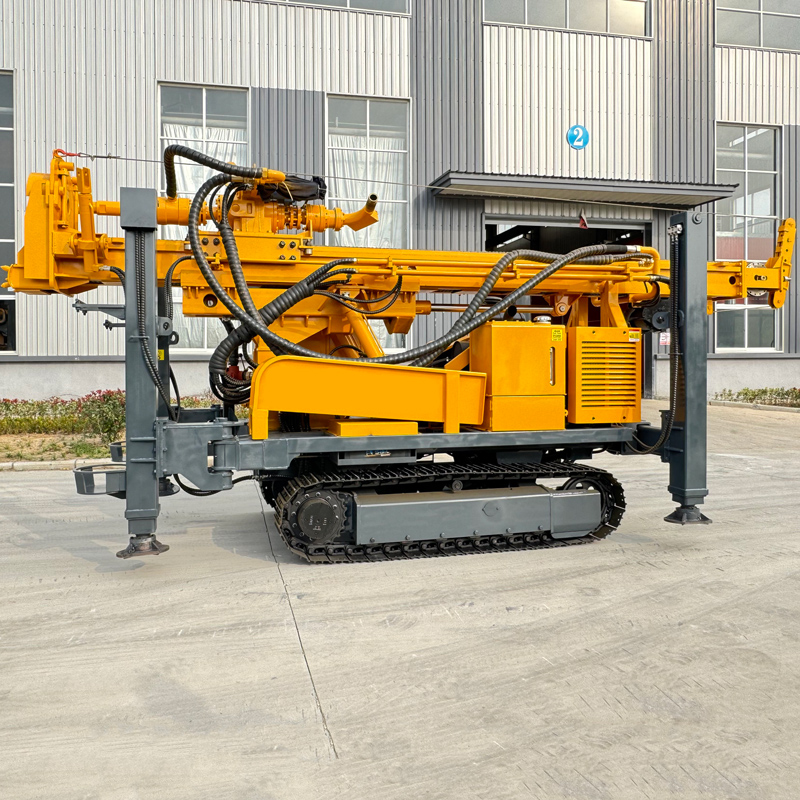
However, the information also states that it obtains cuttings samples, not continuous complete cores. Therefore, it cannot replace subsequent coring equipment. The core of the handover judgment is to organize the samples and records it produces into usable criteria, and then decide the position, number, and direction of coring holes.
The same equipment can also be used for deep water well construction. The information lists rural water supply, farmland irrigation, industrial water use, and mining area groundwater development as one of its main applications. If the project also has water supply needs, converting some hole positions into completed wells after the reverse circulation section is also a site organization method worth considering, but this belongs to project arrangement and requires separate confirmation of well completion technology and supporting facilities.
Checklist recommended to complete before handover
| Check item | Source of basis | Purpose at handover |
|---|---|---|
| Measured hole depth and collar angle | RC400 information: maximum drilling depth 400 m, 45°/90° | Determine the depth interval and hole direction for supplementary coring |
| Sample return continuity and anomaly records | Information: fracture zones may cause poorer correspondence between samples and depths | Determine which hole sections have lower sample credibility |
| Sample numbering, weighing, and sealing records | Information: number according to fixed hole depth intervals, record hole number, depth, and time | Confirm the traceability of previous-stage data |
| Actual air supply parameters | Information: working air pressure 1.2–3.5 MPa, air consumption 16–55 m³/min | Evaluate the integrity of sample return in deep hole sections |
| Transition section handling records | Information: resampling after adding rods, cleaning the hole, or stopping drilling should be handled according to procedures | Avoid misjudgment caused by mixing samples from different depths |
Matters still requiring confirmation
The information does not provide a quantitative relationship between the representativeness of cuttings samples and the necessity of coring under different formation conditions, nor does it provide layout rules for supplementary coring holes. These must be determined by project geological design and assay results.
In addition, regarding the actual drilling depth performance of the RC400 under different hole diameters, drill rod combinations, and air compressor configurations, the information only states that it is affected by multiple conditions and does not provide an item-by-item correspondence table. If the project is near 400 m or the hole diameter is close to the upper limit of 305 mm, it is recommended to confirm the capability boundary under the specific configuration with the manufacturer before starting work.
The handover judgment is essentially a data organization issue: only by collecting the samples, depths, hole directions, and air supply records that the reverse circulation stage can provide can it be determined where subsequent coring should take over. Equipment information supports the capability boundary of this stage, but does not replace geological judgment.